A Museum, Like a Book
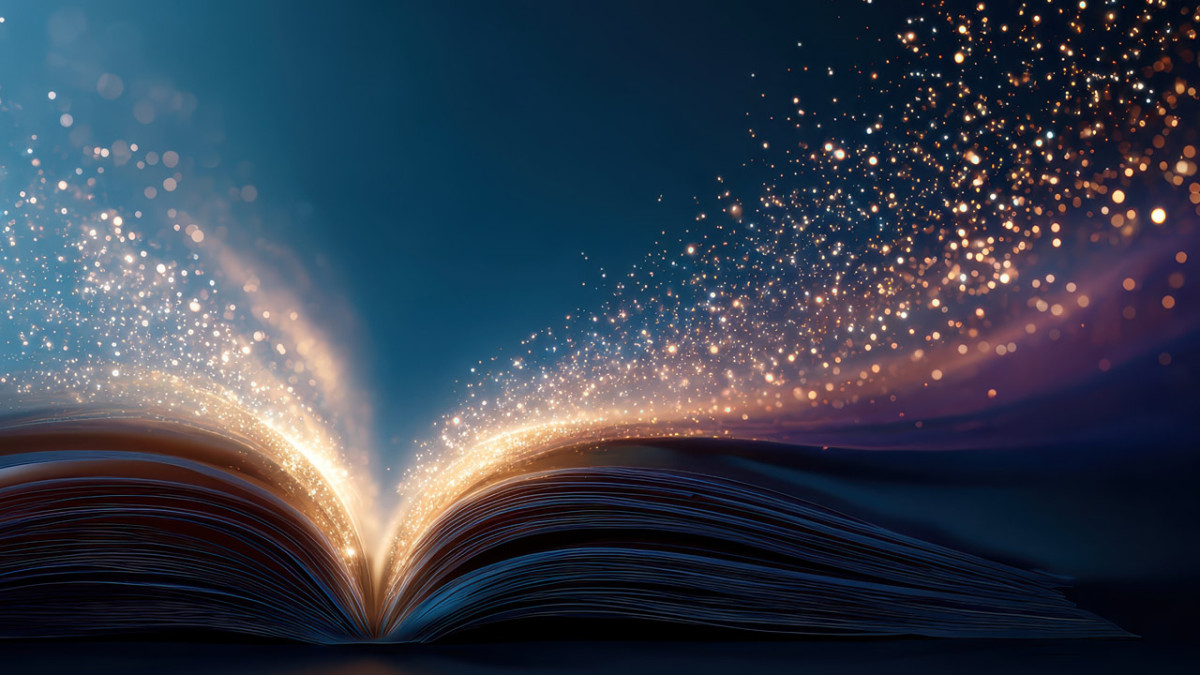
Sometimes I like to think of a museum as a book. Not a static place filled with objects, but a story waiting to unfold as soon as someone opens its cover. A book has an introduction, characters, themes, chapters, and a sense of movement from beginning to end. A book invites you in, but it never tells you exactly how to read it. You can move slowly, take in every detail, skip ahead, or simply take a peek, pause and return later.
Over time, I've come to see the Museum of Making Music in much the same way.
Every visit begins with a preamble. As you enter, a short film sets the stage and offers a context for what lies ahead. From there, you step into the first chapter of our story, how instruments are made and why they change (or don't change) over time. There are countless ways to tell this story, but we chose to write this part of the story using a thematic approach. Ideas such as "The Need to be Heard," "Expanding Technology," "Finding your Match" or "Popular Music" shape how and why instruments are created, and how they evolve over time. We aim to show that instruments are not simply objects. Instead, they are responses to human curiosity, creativity, and, most importantly, need, brought to life by the makers, craftspeople, and innovators who make up the global community of music and sound products.
The story then shifts.
In our second chapter, we ask a different question: what happens once an instrument is made? How does it find its way into someone's hands? Here, we chose to unfold the narrative through time highlighting the ups and downs, twists and turns of the global economy and major historic events. We celebrate how entrepreneurial retailers, distributors, and publishers responded to changing tastes, new technologies, and cultural shifts. This chapter is told chronologically, reflecting the steady movement of history and the many pathways that connect people with the tools of music making.
By the time you reach the third chapter, the instrument has found its place in the world. Now our focus turns to what happens next. Students learning their first notes. Professionals refining their craft. Teachers guiding others forward. Performances that inspire. Communities that form. A sense of belonging that grows through shared experience. This chapter reflects both the individuality and universality that define the musical experience.
And then, an epilogue entitled Beyond the Instruments invites a broader reflection. Perhaps less factual, here we consider the larger impact of music and the tools that make it possible. Instruments become catalysts for change, sources of beauty, and markers of cultural evolution. The ending releases the reader gently and invites them to contemplate the role of instruments and music in their own lives long after the narrative is finished.
Just like any book, there is no single way to move through the Museum of Making Music. You can read every word, taking time with each detail. You can skim, letting certain moments stand out. You can revisit your favorite parts. Or you can simply experience what resonates and carry it with you.
Thinking of our museum in this way also guides how we create each exhibition and display. We begin with purpose. What role does this play in the larger story? From there, we consider which instruments, products, and stories best serve that purpose. And finally, we think about presentation. How will these elements come together in a way that draws the eye and invites curiosity?
Seeing the museum as a living book is also, in many ways, a profoundly humbling exercise. Because once you see it this way, you begin to notice all the places where the story could be refined. Something to adjust, expand, simplify or edit completely out.
In many books, there is a section for acknowledgements. Ours belongs to the many people who make this story possible. The children who inspire us. The members and donors who encourage and sustain us. The artifact lenders and donors who entrust us with the objects that help bring this story to life. And, our many visitors, who step into these galleries and make the story their own.
Humbling yes, as the story is never finished. And that is what keeps the work alive. It keeps us curious. It gives visitors a reason to return. And most importantly, it allows us to keep shaping and strengthening the story over time, so that it resonates more deeply and reaches further with each new chapter.