×
Error
Category not found
Visit
Back
Visitor Information
Admission
Hours
Parking
Map & Directions
Guided Group Tours
School Field Trips
Exhibits
Back
Museum Galleries
Past Exhibitions
Events
Education
Back
School Field Trip Program
New Horizons Band
North Coast Strings
Join/Support
Back
Become a Member
Volunteer
Make a Donation
About
Back
About the Museum
About NAMM
Contact Us
Employment
More...
Back
Contact Us
In-Kind Donations
Notes Newsletter
Back
Spring 2014
Summer 2016
Winter 2016-17
Summer 2017
Winter 2017-18
Press & Media
MoMM@Home
Artist Appearances
Privacy Notice
Donate Now!
© 2000 - 2024 Museum of Making Music
To Top
×
×
We're sorry.
This item is sold out.
×
×
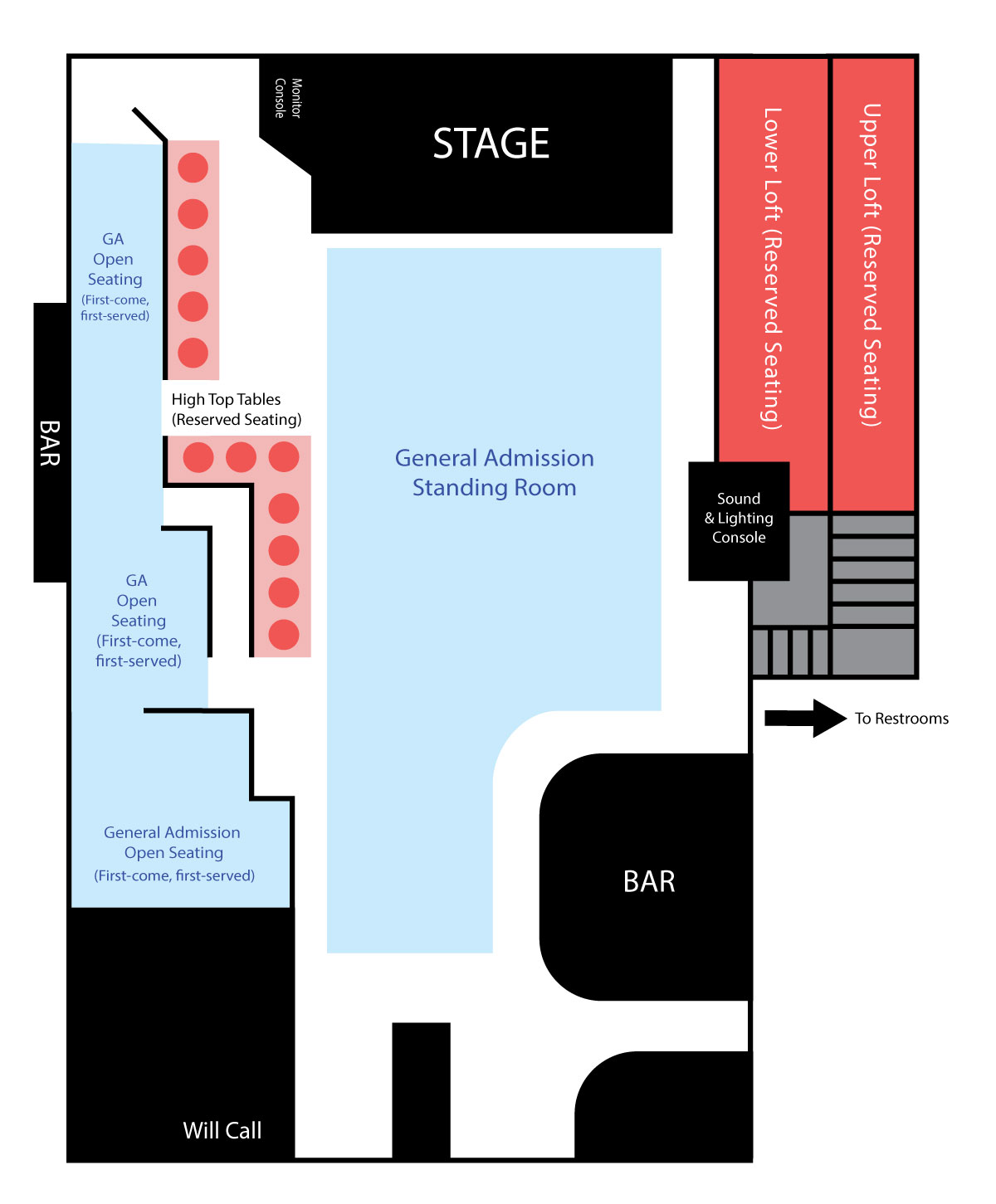
Seating Chart
×
×
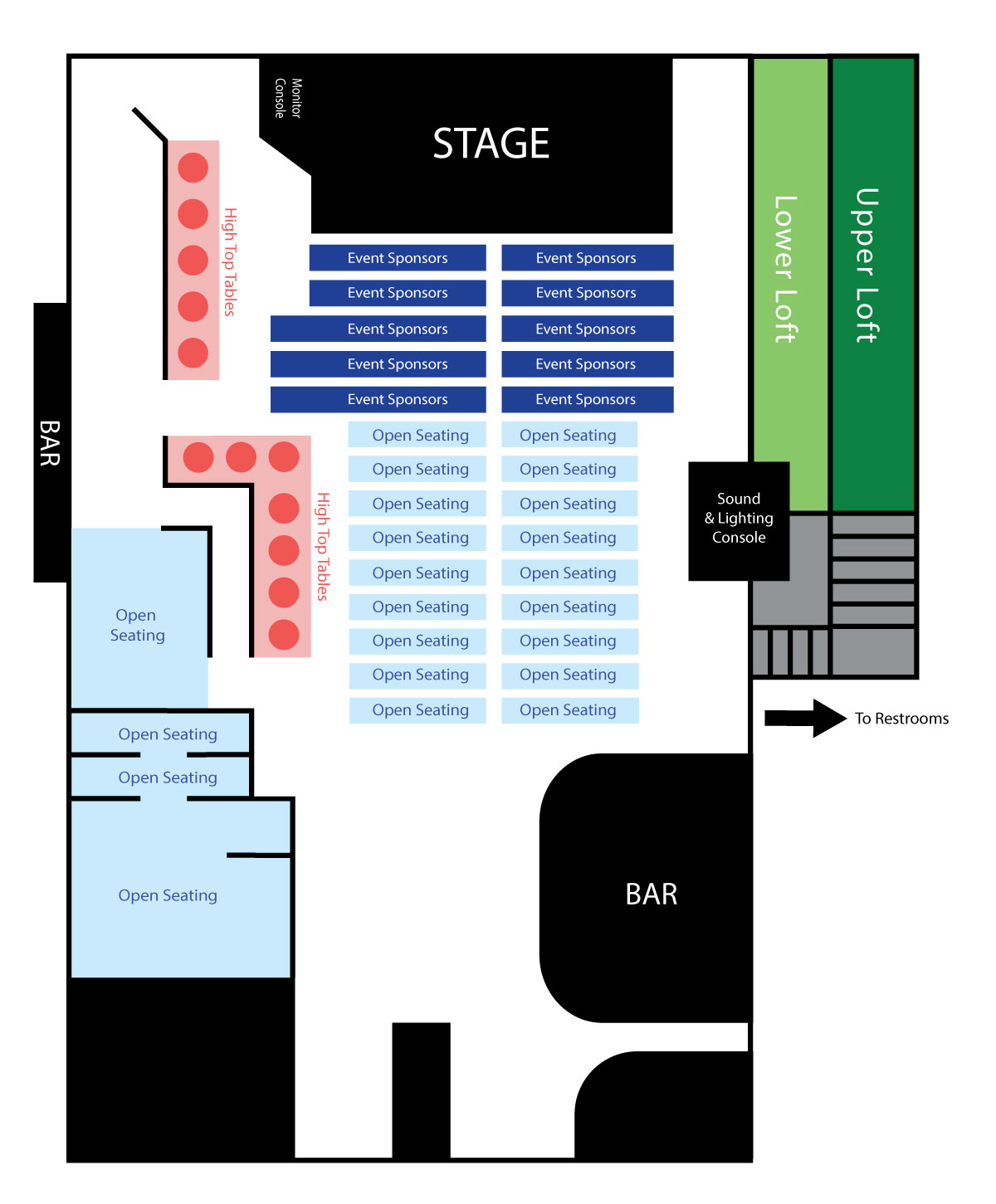
Seating Chart
×
×
Silver Sponsor Benefits
Four (4) Second Row reserved seats
Pre-Event Sponsor Reception including Dinner & Drink Tickets for four (4)
Logo displayed on website w/ link to your site
Exposure to 10,700 Facebook fans, 7,300 Twitter followers, 8,000 email subscribers.
Logo Displayed in Rotation at Event
×
×
Gold Sponsor Benefits
Six (6) Second Row Reserved Tickets
Pre-Event Sponsor Reception including Dinner & Drink Tickets for six (6)
Logo displayed on website w/link to your site
Exposure to 9,000 Facebook fans, 7,500 Twitter followers, 8,000 email subscribers.
Included in Event Promotions & Direct Mailers
Logo Displayed in Rotation at Event
Meet and Greet with Don Felder
×
×
Platinum Sponsor Benefits
Your choice! Reserved seating for six (6) in the
Front Row
OR
Upper Loft
Pre-Event Sponsor Reception including Dinner & Drink Tickets for six (6)
Logo displayed on website w/a link to your site
Exposure to 10,700 Facebook fans, 7,300 Twitter followers, 8,000 email subscribers.
Included in Event Promotions & Direct Mailers
Sponsor Spotlight in Event Eblast
Logo Displayed in Rotation at Event
Meet and Greet with Don Felder
×
×
Lower Loft Buyout Sponsor Benefits
Sixty (60) Lower Loft Reserved Seats
120 Drink Tickets
Your company’s logo displayed on our website with a clickable link to your website
Exposure to 10,700 Facebook fans, 7,300 Twitter followers, and 8,000 email subscribers
Logo displayed prominently at event in rotation with other supporters
Logo included in event promotions and direct mailers
Sponsor Spotlight in event eblast
×
×
Upper Loft Buyout Sponsor Benefits
Thirty-Eight Loft Reserved Seats
120 Drink Tickets
Your company’s logo displayed on our website with a clickable link to your website
Exposure to 10,700 Facebook fans, 7,300 Twitter followers, and 8,000 email subscribers
Logo displayed prominently at event in rotation with other supporters
Logo included in event promotions and direct mailers
Sponsor Spotlight in event eblast